by Judah | May 30, 2025 | Business Strategy, Community & Collaboration, Digital Marketing Strategies, Entrepreneurship, Marketing, Web Design & Development
Why You Need Community to Grow a Business (No, Really)
There’s this idea that to build a successful business, you need to hustle hard, stay quiet about your “secret sauce,” and view anyone in a similar space as your competition. But after spending a weekend at the first-ever Web Designer Pro in-person conference, I can tell you: that mindset couldn’t be further from the truth.
This wasn’t just a business trip. It was a reminder of why I got into this work in the first place, and why community, collaboration, and shared experiences are essential ingredients for long-term success.
From Virtual Chats to Real-Life Conversations
I’ve been part of the Web Designer Pro community since last fall. It’s an online group built around helping web designers grow their businesses with purpose and clarity through regular trainings, Q&As, and group calls. The support is real, and the people in this group? They’re from all over the world, but many of us are working through very similar challenges.
Each week, we meet virtually, asking questions, reviewing websites, and sharing wins and pain points. It’s been one of the most consistent sources of encouragement and accountability in my business journey.
When I first found out about the group through Josh Hall’s podcast (which I discovered via Shannon Mattern’s podcast, who was also a presenter at the conference), I was already consuming every bit of marketing and business strategy content I could get my hands on. But eventually, I realized I didn’t just need knowledge. I needed connection.
What the Conference Was All About
Earlier this May, I attended the first in-person Web Designer Pro conference in Columbus, Ohio. And while I had chatted with many of the attendees virtually for months, this was our first time in the same room.
The weekend kicked off with a meetup at a Columbus Clippers game. Yes, it rained the entire time, but I was so caught up in the conversations and meeting people in real life that I didn’t even notice. We had a dry, covered box and a full evening of uninterrupted community-building.
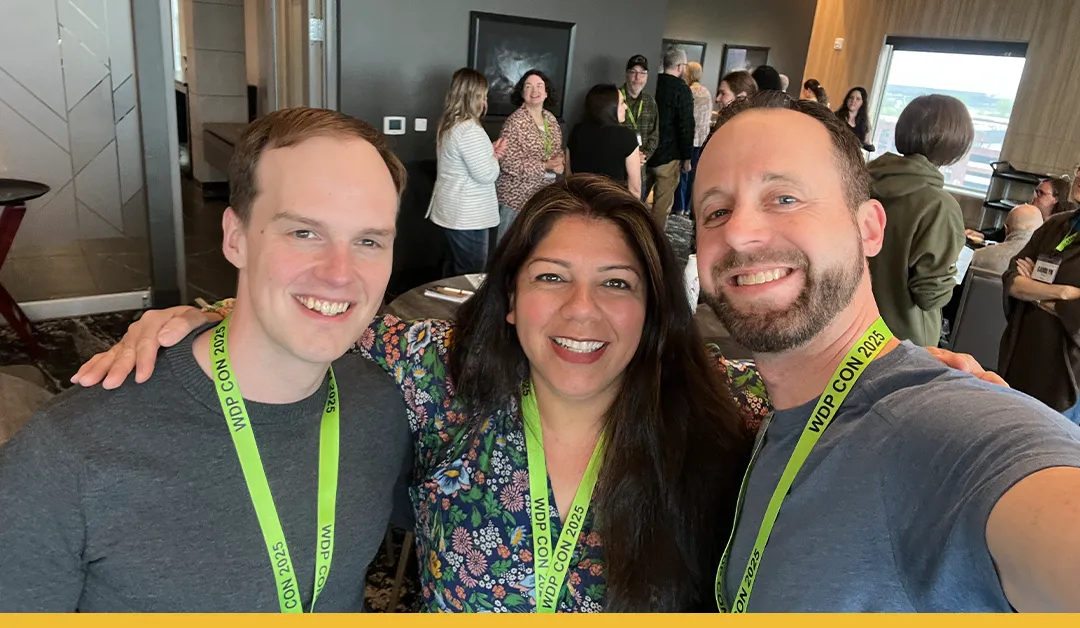
One of the most meaningful parts of that night was finally meeting Liz (middle in the picture above), my accountability partner from the group. We both come from marketing backgrounds, and she’s now focused on becoming more of a consultant and fractional CMO (or part-time marketing leader). Meeting in person only reinforced how important it is to have someone in your corner who gets it.
The next day was packed with speaker sessions all focused on business growth. I came away with practical insights I plan to implement, including:
- Turning your email newsletter into a product your audience actually looks forward to: entertaining, useful, and good enough they might even pay for it.
- Creating a killer pitch deck that walks clients through every potential objection before they even ask.
- Structuring offers for long-term clients so you’re building recurring revenue, not just income from one-off projects.
And yes, I took an absurd number of notes and will absolutely be rewatching the recordings.
No Cliques, No Competition, Just Connection
You’d think that gathering 40+ people with nearly identical job titles in one space might feel a little.. competitive. But it was the exact opposite.
There were no cliques. No posturing. Just genuine conversation and a willingness to share strategies, lessons, and mistakes. Everyone showed up with the intention of helping each other grow. And that got me thinking: why don’t we treat “competitors” this way more often?
Since starting my business, I’ve realized that even if someone does almost exactly what you do, and lives in your same town, your business is still yours. You bring different experiences, a different network, and a different energy to the table. There’s always a way to differentiate yourself, and you never know when a “competitor” might become a collaborator or mentor.
I’ve found that getting to know others in your industry, even the ones nearby, can open doors you didn’t expect. Whether it’s sharing referrals, having someone to bounce ideas off, or just knowing you’re not the only one figuring things out, it’s worth it.
What This Means for Your Business
This wasn’t just a feel-good weekend. It was a crash course in what matters most in business: people.
Whether you’re a web designer, a consultant, or a small business owner just trying to grow your brand, your success will hinge on more than just technical skill. It’s about creating genuine experiences, surrounding yourself with a community, and being open enough to share what’s working and learn from others.
Business growth isn’t a competition. It’s a collaboration.
And if you’re building a website, launching a brand, or trying to figure out your marketing strategy, that mindset makes all the difference.
Ready to Build With Purpose?
Start by getting clear on your goals, your strategy, and what makes your business different. I’d love to help.
👉 Fill out this short website questionnaire to get started.
Let’s build something amazing, together.

by Judah | Mar 26, 2025 | Digital Marketing Strategies, Lead Generation & Nurturing, SEO & Online Visibility, Small Business Growth, Web Design & Development, Website Maintenance & Optimization
So, you’re thinking about building your own website. How hard can it be? It’s like cutting your own hair—you can do it, but you might not want to show anyone the results.
DIY website builders promise you’ll have a site up in minutes. Just drag, drop, and poof—you’re the next digital entrepreneur. But here’s the problem: looking “done” and looking professional are two very different things.
Meanwhile, a professionally designed website isn’t just there to look pretty. It’s a 24/7 sales rep, working to convert visitors into customers while you sleep. So, let’s break down the real difference between a DIY site and one built by someone who actually knows what they’re doing.
1. First Impressions: Is Your Website Scaring Away Customers?
Your website has about 3 seconds to impress visitors before they leave faster than a cat avoiding bath time.
DIY Website Struggles:
❌ Generic templates that make your site blend into a sea of mediocrity
❌ Confusing layouts where visitors have no clue where to click
❌ Font choices that scream “designed by my cousin who took a graphic design class in 2008.”
What a Pro Designer Does:
✔ Creates a custom, on-brand design that makes you look legit
✔ Optimizes layout and visuals to keep visitors engaged
✔ Designs for mobile first (because over 60% of your traffic is coming from phones)
The Hidden Cost of DIY Websites: If your site looks unprofessional, people assume your business is, too. That means lost trust, lost credibility, and lost sales.
2. SEO: Can Google Even Find Your Site, Bro?
If your website exists but isn’t ranking on Google, does it even exist?
DIY SEO Nightmares:
🔍 Slow loading speeds—Google hates slow sites, and so does everyone else
🔍 No keyword strategy—just hoping people “stumble upon” your site
🔍 No mobile optimization—Fun fact: Google ranks mobile-friendly sites higher
What a Pro Designer Does:
✔ Improves page speed so visitors (and Google) stick around
✔ Optimizes for the right keywords so you actually show up in search results
✔ Builds a mobile-first site to help improve user-experience
Hidden Cost of DIY: If Google doesn’t rank your site, your competitors are stealing your traffic.
3. User Experience: Is Your Site Annoying People?
Nothing says untrustworthy business like a broken contact form or a checkout page that mysteriously deletes everything right before purchase.
DIY Website Fails:
🤦 Links that go nowhere or worse, to an error page
🤦 No clear call-to-action so visitors leave without taking action
🤦 Navigation so confusing that users need a map and compass
What a Pro Designer Does:
✔ Ensures everything actually works (crazy concept, right?)
✔ Guides visitors toward taking action (like booking a call or buying a product)
✔ Makes navigation smooth & intuitive (so people don’t rage-quit)
Hidden Cost of DIY: If users can’t easily navigate your site, they’ll leave. And guess what? They’re not coming back.
4. Security & Maintenance: Hackers Love DIY Websites
Think hackers only go after big companies? False. Small business websites get hacked every day because they often lack basic security.
DIY Website Weaknesses:
🔓 No regular updates or security patches
🔓 Weak protection against malware and cyberattacks
🔓 No backups—so if something breaks, good luck
What a Pro Designer Does:
✔ Sets up proper security measures to keep your site safe
✔ Monitors & updates regularly with a Website Support Plan so you don’t have to
✔ Ensures your site gets backed up—because disasters happen
Hidden Cost of DIY: If your site gets hacked, you could lose business, credibility, and SEO rankings overnight.
5. Lead Generation: Is Your Website Just Sitting There?
Your website shouldn’t just sit around looking pretty—it should be bringing in leads and sales.
DIY Lead Gen Fails:
❌ No clear call to action—so visitors leave without converting
❌ No trust-building elements—so visitors lack reassurance you’re legit
❌ No lead capture system—so you’re missing out on potential customers
What a Pro Designer Does:
✔ Creates clear, action-driven pages that turn visitors into buyers
✔ Uses social proof & credibility markers like testimonials and case studies
✔ Builds in lead capture tools to grow your email list & customer base
Hidden Cost of DIY: If your website isn’t converting visitors, you’re leaving money on the table.
The Real Cost of a DIY Website vs. a Professional Site
Let’s break it down:
💻 DIY Website:
✔ Cheaper upfront (woohoo!)
✔ You get full control (even if you don’t know what you’re doing)
❌ Looks generic
❌ Ranks poorly on Google
❌ Frustrates visitors (who leave without buying)
❌ Vulnerable to security risks
❌ Ends up costing you more in lost sales
🚀 Professional Website:
❌ Costs more upfront
❌ Limited control on how to build or make changes
✔ Designed to convert visitors into customers
✔ SEO-friendly (so people actually find you)
✔ Loads fast, works seamlessly, and builds trust
✔ Saves you time, stress, and lost revenue
✔ Is an investment in your business growth
The Verdict: DIY or Pro?
You can build your own website—just like you can fix your own plumbing. But when your DIY project ends up costing you more time, money, and customers… was it really worth it?
If you’re ready to invest in a website that actually works, let’s talk.
Contact us today!
Or… you could spend the next three weekends Googling “why does my website look weird on mobile?”
Your call. 😉
by Judah | Feb 19, 2025 | Digital Marketing Strategies, Lead Generation & Nurturing, Small Business Growth, StoryBrand Marketing Framework
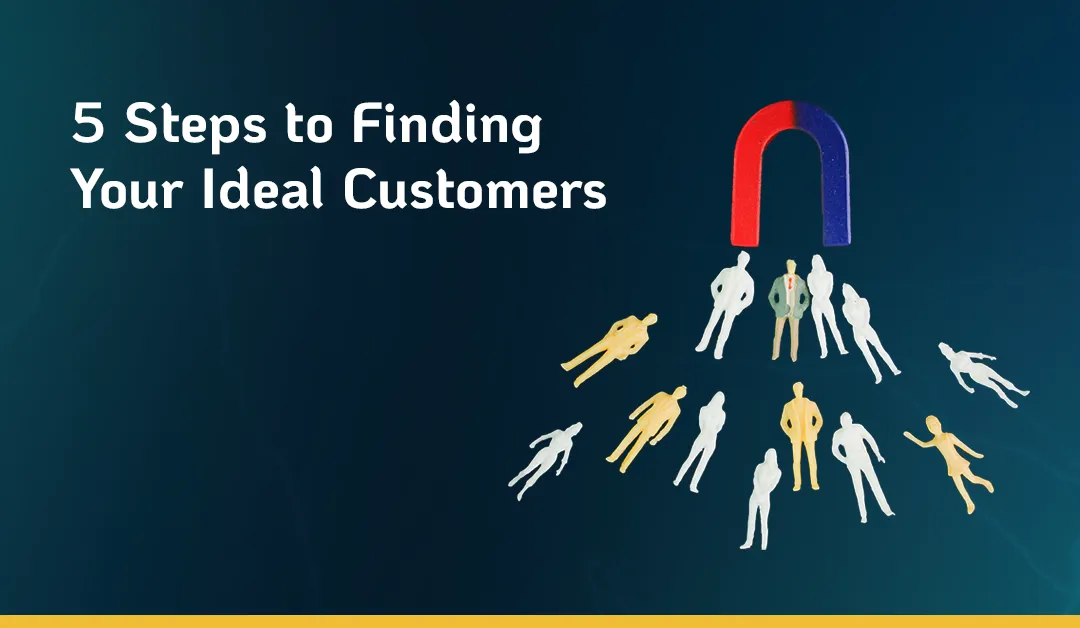
Have you ever felt like you’re marketing to everyone but selling to no one? You’re not alone. Many businesses fall into the trap of casting a wide net, hoping to catch anyone with a pulse and a wallet. But here’s the truth: not all customers are created equal. Some will love you, some will ghost you, and some will make you question your life choices.
That’s where the 80/20 principle comes in. It tells us that 20% of your customers drive 80% of your revenue. That means a large chunk of your clientele may be draining your time and energy without giving much in return. So, instead of chasing the wrong crowd, let’s zero in on those golden customers who truly value what you bring to the table.
Here’s how you do it in five steps:
Step 1: Identify Your Ideal Customer (a.k.a. Your Business Soulmate)
Before you go looking for your dream clients, you need to know what they look like. Think of it like online dating—would you rather swipe right on everyone or focus on the people who actually share your interests? (No judgment if you’re into the chaos of random matches.)
Start by listing characteristics that make someone an ideal client or what may be red flag—those nightmare clients you want to avoid. Here are some of mine.
Traits of an Ideal Customer
✔ Has a clear vision but needs expert help to execute it
✔ Wants to grow and values expertise
✔ Looking for a collaborative partnership
✔ Values quality over the cheapest option
✔ Understands that marketing is an investment, not an expense
✔ Respects your time and expertise
Red Flags to Avoid
✔ Only focused on price, not long-term value
✔ Micromanages every detail and ignores expert advice
✔ Disrespects time and lacks patience
✔ Expects overnight results
By knowing who you want and who you don’t, you’ll save yourself endless headaches.
Step 2: Categorize Your Ideal Customers (Because Not All Heroes Wear Capes)
Your best clients likely fall into different personas. Here are a few types I choose to focus on for my business.
Dynamic Spark Customer Personas
- The Overwhelmed Business Owner – Wears too many hats, desperately needs marketing help, but doesn’t know where to start.
- The Growth-Minded Leader – Understands marketing’s ROI and is ready to invest in scaling their business.
- The Visionary Entrepreneur – Has big ideas and wants a brand that reflects their high standards and uniqueness.
By categorizing your customers, you can tailor your messaging and services to better meet their specific needs.
Step 3: Attract Them with a Lead Magnet (and a Dedicated Landing Page)
Now that you know who you’re looking for, you need a way to attract them. Enter the Lead Magnet—a free resource that provides value in exchange for their contact info.
Example Lead Magnet: “Small Business Marketing Survival Guide”
Mine includes:
✔ A step-by-step guide to prioritizing marketing tasks
✔ A checklist of website and branding must-haves
✔ Time-saving marketing automation tips
✔ Common small business marketing mistakes (and how to fix them)
But here’s where many businesses go wrong: They don’t create a dedicated landing page.
Why a Landing Page Matters
A landing page is laser-focused on one goal—getting the visitor to sign up for your Lead Magnet. No distractions, no competing calls to action, just a clear message about the value they’ll get. Here’s why it’s essential:
✔ Increases conversions—A single, focused page converts better than a generic website page
✔ Improves ad performance—When paired with targeted social media or Google Ads
✔ Makes tracking easier—So you can see exactly how well your lead magnet is performing
✔ Enhances credibility—A professional landing page signals that you’re serious about your business
Step 4: Nurture Your Leads (Because Nobody Likes a Pushy Salesperson)
Once someone downloads your Lead Magnet, don’t leave them hanging. A well-crafted lead nurture sequence can turn a curious visitor into a loyal client.
A Simple Lead Nurture Email Sequence
- Deliver the lead magnet—Immediate value = good first impression
- Define Your Purpose—Share your story and why you’re passionate about helping businesses grow.
- Identify a Common Problem + Offer a Solution—Show how your services can eliminate their biggest struggles.
- Customer Testimonial—Nothing builds trust like proof from happy clients.
- Paradigm Shift—Address past frustrations they may have had with similar services and show how you’re different.
- The Offer—Now’s the time to present your solution and invite them to take the next step.
By warming up your leads, you turn potential clients into paying clients without resorting to spammy tactics.
Step 5: Get the Word Out (a.k.a. Smart Advertising)
Now that everything is in place, you need to get eyeballs on your lead magnet.
Traffic Strategies for Lead Magnets
✔ Run targeted ads on Google and social media, using your defined customer personas
✔ Leverage organic marketing through social media posts, blog content, SEO
✔ Utilize partnerships by collaborate with complementary businesses for cross-promotion
✔ Place it on your website with strategic call-to-actions throughout
The goal? Get the right people to see your lead magnet, sign up, and enter your nurture sequence. Done right, this creates a self-sustaining cycle of attracting, engaging, and converting ideal customers.
Final Thoughts: Are You Attracting the Right Customers?
If your marketing feels like a game of chance, it’s time to get strategic. By identifying, attracting, and nurturing the right leads, you’ll build a business with clients who value what you do—instead of wasting energy on the wrong ones.
🔹 Want to see this in action? Download my lead magnet and experience the process firsthand!
🔹 Ready to refine your strategy? Let’s chat—schedule a consultation today.
Your ideal customers are out there—you just need the right strategy to find them!